Savita Kitchen

Friday, February 27, 2015

http://www.stylecraze.com/articles/glowing-skin-secrets-homemade-face-packs-with-aloe-vera/?ref=popularsidebar

http://www.stylecraze.com/articles/glowing-skin-secrets-homemade-face-packs-with-aloe-vera/?ref=popularsidebar
Posted by OMStuti Savita Kitchen at 1:03 PM No comments:
Email ThisBlogThis!Share to XShare to FacebookShare to Pinterest

http://www.stylecraze.com/articles/homemade-face-packs-for-dry-skin-2/?ref=popularsidebar

http://www.stylecraze.com/articles/homemade-face-packs-for-dry-skin-2/?ref=popularsidebar
Posted by OMStuti Savita Kitchen at 1:02 PM No comments:
Email ThisBlogThis!Share to XShare to FacebookShare to Pinterest

Adai

Ingredients:
¾ Cup raw Rice
1 Cup Par boiled rice
¼ Cup Toor Dal
¼ Cup Channa Dal
¼ Cup Moong Dal
10-12 Red Chilly
2 Onion, finely Chopped
3 Green Chilly, finely chopped
1 tsp Jeera
¼ tsp Asafoetida
Few Curry leaves
Salt
Oil

Preparation:
1. Wash and soak rice, dal together for 2-3 hours.
2. Soak red chilly separately for 2-3 hrs.
3. In the grinder grind red chilly and rice dal mixture to coarse paste (batter should be thick).
4. Add onion, green chilly, curry leaves, Asafoetida, cumin, salt and mix well.
5. Heat a tawa on medium heat.
6. Pour a spoonful of batter and spread it in to a round. Add little oil around the sides.
7. Cook till it becomes golden colour.
8. Turn and cook the other side.
9. Serve hot with Coconut Chutney.
Posted by OMStuti Savita Kitchen at 12:32 PM No comments:
Email ThisBlogThis!Share to XShare to FacebookShare to Pinterest

Very Good site cooking

http://abhi-recipecollection.blogspot.in/search/label/Breakfast
Posted by OMStuti Savita Kitchen at 12:25 PM No comments:
Email ThisBlogThis!Share to XShare to FacebookShare to Pinterest

Kelvaragu Dosai (Ragi Dosa)

Ingredients:
1 cup Ragi
1 cup Idly Rice
1/4 cup Urud Dal
2 Onions, finely chopped
3 Green Chilly, finely chopped
2 tsp finely chopped curry leaves
Water
Salt

Preparation:
1. Soak rice and dal for 3-4 hours.
2. Grind them to a fine paste (similar to dosa batter).
3. Add ragi to the ground paste and mix well.
4. Ferment it overnight.
5. Add onion, green chilly, curry leaves and salt to the batter.
6. Mix well and keep it aside.
7. Heat a flat frying pan, pour the batter and spread it into a thin round.
8. Pour oil around the sides of the dosa and cook both the sides.
Posted by OMStuti Savita Kitchen at 12:23 PM No comments:
Email ThisBlogThis!Share to XShare to FacebookShare to Pinterest

Easy Veg Sandwitch

Ingredients :12 bread slices
4 tsp Butter
1 Cucumber
2 Tomatoes
2 Onions


For the coriander chutneyA small bunch of coriander leaves, washed and chopped
2 Green chillies
1 tsp grated coconut
salt and Tamarind according to taste


Preparation:1. For the Green Chutney:Grind green chilly, coriander leaves, coconut, salt, Tamarind with little water to a paste.
2. Cut the vegetables into thin slices.
3. Trim brown edge crusts of the bread slices with knife (optional).
4. Apply butter on one side of bread slices.
5. Take one buttered bread slices. Spread little chutney on top of butter.
6. Arrange sliced cucumber,onion, tomatoes on that.
7. cover it with bread slice(Butter and coriander chutney applied side should face down).
8. Press well and cut into 2 pieces with sharp knife.
9. serve immediately.
Posted by OMStuti Savita Kitchen at 12:21 PM No comments:
Email ThisBlogThis!Share to XShare to FacebookShare to Pinterest

Pulses /Legumes

Legumes/ Pulses
____________________________________________
BENGAL GRAM:


English: Bengal gram
Tamil: Kadalai paruppu
Telugu: Senagapappu
Hindi: Chana dal
Kannada: Kadale Bele
Malayalam: kadala parippu
_________________________________________________
BLACK GRAM:


English: Black Gram
Tamil: Ulutham paruppu
Telugu: Minappappu
Hindi: Urad dal / kaali dal
Kannada: Uddina Bele
Malayalam: Uzhunnu parippu
_________________________________________________
BLACK EYED PEAS:


English: Black Eyed Peas
Tamil: Vellai Karamani
Telugu: Bobbarlu Guggullu
Hindi: Lobhiya
Kannada: Alasandee
Malayalam: Vella Payaru
_________________________________________________
BROKEN BEANS:


English: Broken Beans
Tamil: Mocha Kottai
Telugu:
Hindi:
Kannada:
Malayalam:
_________________________________________________
DRIED PEAS (WHITE):


English: Dried Peas
Tamil: Vellai pattani
Telugu: Menthulu
Hindi: Sukhe Matar
Kannada:
Malayalam:
_________________________________________________
GARBANZO BEANS/ CHICK PEAS:


English: Chick Peas/ Garbanzo beans
Tamil: konda kadalai (White and Brown varieties)
Telugu: Senagalu
Hindi: Chana,Chole
Kannada: Kadale kalu
Malayalam:
_________________________________________________
GREEN GRAM:


English: Green Gram
Tamil: Pachai Payaru
Telugu: Pesara pappu
Hindi: Dal Mung sabut
Kannada: Hesare Kalu
Malayalam: Cheru Payaru
_________________________________________________
HORSE GRAM:


English: Horse Gram
Tamil: Kollu
Telugu: Ulavalu
Hindi: Kulathi
Kannada: Huruli
Malayalam: Mudiraa
_________________________________________________
RED KIDNEY BEANS:


English: Red kidney Beans
Tamil: Sigappu Kaaramani
Telugu:
Hindi: Rajma
Kannada:Gaja Nimbe
Malayalam:
_________________________________________________
RED LENTILS:


English: Red Lentils
Tamil: Mysore paruppu
Telugu: Missu Pappu
Hindi: Masoor dal
Kannada: Masur bele
Malayalam: Massor Parippu
_________________________________________________
ROASTED GRAM DAL:


English: Roasted Gram Dal/ Fried Gram Dal
Tamil: Udachakadalai,Pottu Kadalai
Telugu: Putnala pappulu
Hindi: Buna channa
Kannada: Hurigadale
Malayalam: Pottukadala
_________________________________________________
SPLIT GREEN GRAM DAL:


English: Split green gram dal
Tamil: Paasi Paruppu
Telugu: Pesara Pappu
Hindi: Dal Mung Dhuli/ Moong dal
Kannada: Hesaru Bele
Malayalam: Cherupayar Parippu
_________________________________________________
YELLOW SPLIT PEA:


English: Yellow Split pea
Tamil: Thuvaram Paruppu
Telugu: Kandi Pappu
Hindi: Tuvar/Arhar dal
Kannada: Thugare Bele
Malayalam: Thvara Parippu
Posted by OMStuti Savita Kitchen at 12:21 PM No comments:
Email ThisBlogThis!Share to XShare to FacebookShare to Pinterest

Chick peaks gojju

Garbanzo Beans Chutney / Spread

December 31, 2013 By Raji 0 Comments
http://youtube.com/watch?v=24KjLiWn0UHere is a healthy food that tastes good! It is an excellent spread for Sandwiches, Wraps and Burritos. It is a good recipe that can go into your kid’s lunch box without guilt :) This is a Gluten Free recipe!

Health Benefits of Garbanzo beans

Chickpeas/garbanzo beans are a great source of zinc, folate and protein. These are high in fiber, low in fat and most of this is polyunsaturated.
Garbanzo beans contains more than 60% of insoluble fiber and can reduce the risk of colon cancer.
Helps in blood sugar regulation due to slowing down the digestion process.
Helps in lowering the blood cholesterol levels.
For more health benefits, please visit
  • The Nutrition of Garbanzo Beans from FITDAY
  • What Are the Health Benefits of Garbanzo Beans? from Living Strong
  • Garbanzo Bean Flour Plays a Starring Role in Gluten-Free Cooking from celiac.com, the authority site in gluten free diet information

Ingredients for Chickpeas chutney (Garbanzo Beans):

  • ½ cup garbanzo beans soaked over night(if you soak one amount of beans you get the double the amount after soaking, example- for ½ cup you get one cup of soaked beans)
  • Cook beans in a pressure cooker or on stove top by adding ½ a tsp of salt.
  • 1 cup soaked and cooked beans with salt
  • ½ tsp salt or salt to taste
  • 2-3 green chillies (depending on the spice level)
  • 2 tbs sesame seeds
  • 10-15 almonds
  • marble size tamarind

For seasoning for Garbanzo chutney (optional step):

  • 1 teaspoon oil
  • ½ teaspoon cumin seeds
  • 4-5 curry leaves
  • pinch of asafoetida

How to Make Garbanzo Beans Chutney / Spread:

  1. First toast the sesame seeds.
  2. Grind cooked beans, salt, green chillies, almonds, tamarind and sesame seeds by adding cup water.
  3. Transfer the chutney into a bowl and top it with a seasoning (seasoning is optional)

To make Seasoning:

  1. Heat the ladle on medium high heat, add oil let it heat for few seconds.
  2. Then add cumin seeds, then add channa dal and urad dal fry it till it turns golden brown color. Turn off the heat, then add hing and curry leaves.
  3. Add this seasoning prepared chutney and mix them well and serve
Garbanzo Chutney is a versatile dish and can used as a dip to dosai/ idly/chapati. Also, this Chickpeas chutney can used as a spread for burger, wraps and sandwiches. Tastes very good as a dip for fresh vegetables.
Posted by OMStuti Savita Kitchen at 12:14 PM No comments:
Email ThisBlogThis!Share to XShare to FacebookShare to Pinterest

Mouth lickering Seembadnekayi gojju

Chayote Squash (Seemebadnekai) Gojju

This is one of my ajji's signature dishes. Mom didn't make it as much because Dad doesn't like Chayote Squash. Ajji often cooked with Seemebadnekai (Chayote Squash) and when we went to ajji's place for the summer holidays or any other time, if she had the squash on hand, we knew what was for lunch.

 
You will need:
1 Chayote Squash (Seembadnekai) cubed
3-4 Dry Red chillies
½ tsp Cumin seeds
¼ tsp Turmeric powder
1 tsp. Fried gram (Hurgadle)
5-6 tbsps fresh grated coconut
1 tbsp chopped corriander
½ onion, chopped
½ tsp Tamarind paste
2 tsp jaggery, powdered
¼ tsp Hing
¼ tsp Mustard seeds
Few curry leaves
1 tbsp Oil


Boil the chayote squash until soft and translucent. A piece should still hold shape when pressed gently between your fingers and not turn into mush. Grind red chillies, cumin seeds, turmeric, fried gram, coconut, jaggery and tamarind in a blender with sufficient water to make a smooth paste.


Heat oil in a pan. Add mustard and when it begins to splutter add the asafetida and then curry leaves. Now add the chopped onions and fry till they are soft.Add the prepared paste and cook for a few minutes till the mixture begins to simmer and the raw smell is gone. Keep stirring to avoid burning.


Now add the boiled squash, mix well. Season with salt. Add little water if required to make a gravy (gojju). Garnish with chopped coriander.

 
Chayote Squash Gojju, Tomato Rasam & White steamed rice


This is best eaten with hot rice and a little ghee. Also makes a great accompaniment for rice and yoghurt.
Posted by OMStuti Savita Kitchen at 12:07 PM No comments:
Email ThisBlogThis!Share to XShare to FacebookShare to Pinterest

Seemebadnkayi chutney


Chayote squash / Chow-Chow / Cho-Cho / Seemebadane Kayi is a low calorie food and high in vitamin C. It is rich in flavonoid antioxidants which help to protect the body against inflammation caused by free radicals. This is extremely easy to prepare chutney.

Ingredients:

  • ½ cup grated coconut (optional)
  • 7 to 8 green chillies (depending on your spice level)
  • 1 small marble sized tamarind
  • small handful of cilantro or coriander leaves
  • 1 tsp salt
  • 3 cups chopped chayote or 2 medium sized chayote
  • 1½tbs oil

For seasoning:

  • 1 tsp oil
  • ½ tsp mustard seeds
  • pinch of hing
  • Pinch of turmeric
  • 3 to 4 curry leaves

Method for making Chayote squash Chutney:

  1. Place a pan on the stove, and add oil and green chillies.
  2. After adding them, add chopped coyote and saute them until it turns a bit tender and golden brown.
  3. Add tamarind, salt, freshly grated coconut, and cilantro.
  4. Saute it for two more minutes and switch off the stove to cool this mixture.
  5. Once the mixture has cooled, grind it with a very little water.
  6. Make the seasoning by placing a ladle on the stove, and add oil.
  7. Once it has heated, add mustard seeds, hing, turmeric, and curry leaves, and switch off the stove.
  8. Add this seasoning to the ground mixture and mix them well.
  9. Now it is ready to serve, you can serve this with rice, chapati, or roti.
Chayote squash also populary known as Chow-Chow, Cho-Cho and Seeme Badanekayi.
Try this out with our Jolada Rotti or Jowar roti.
Check out our other very popular and health chutney, Broccoli Chutney!
 
Posted by OMStuti Savita Kitchen at 11:45 AM No comments:
Email ThisBlogThis!Share to XShare to FacebookShare to Pinterest

Radish (Daikin) Chutney

Radishes are an extremely healthy vegetable, yet their pungent flavor turns many people away. This recipe is the perfect way to incorporate this amazing vegetable into your diet.

Ingredients:

  • 1 medium size or 1 1/2 cup diced Daikon (White Radish)
  • 1/2 cup freshly grated coconut
  • 7-8 Dry red chillies (substitute – green chillies, but dry chillies tastes better)
  • Small marble sized tamarind
  • Small marble size jaggery (substitute – quarter teaspoon of sugar)
  • 3/4 tsp salt
  • Water to blend
Method:
  1. First add a little bit oil (around 1 tsp ) in a pan and heat it until warm.
  2. Then add diced daikon for frying. Fry it till it turns into a golden brown color.
  3. Add grated coconut, tamarind and jaggery (can substitute with sugar) and fry for a minute.
  4. Place it aside in another bowl to cool it.
  5. In the same pan, fry the red chillies with a little bit oil (we use oil to avoid the pungency). You can substitute with Green chillies.
  6. Add all the fried items to a blender, along with a small quantity of water (necessary to blend)
  7. Add salt to taste.
  8. Grind/blend the ingredients in the blender until the consistency is smooth.
  9. Pour this grinded chutney into a bowl
  10. Optional: Add a seasoning to the Chutney/Spread.
  11. Chutney/Spread is ready.
  12. As Chutney, goes extremely well with Roti’s.
  13. Also, it is an extremely healthy spread for sandwiches and tortillas. It tastes great as a vegetable dip as well.
  14. This can be packed for travel and is great for those on the go. This is also popularly known as Moolangi chutney or Mooli chutney.
Posted by OMStuti Savita Kitchen at 11:44 AM No comments:
Email ThisBlogThis!Share to XShare to FacebookShare to Pinterest

Coconut Chutney

This Coconut Chutney recipe was noted down when talking to a chef in a popular old restaurant in Mysore. Here it is…

Ingredients:

  • 1 cup fresh shredded coconut
  • 1 tablespoon chopped cilantro
  • few curry leaves
  • 2 green chillies
  • ½ teaspoon salt (salt to taste )
  • one small marble size tamarind
  • one small marble size jaggery
  • 2 teaspoon oil
  • ½ teaspoon mustard seeds
  • pinch of hing (Asafoetida)
  • ¼ to ½ cup water (You can use extra water to get the chutney to your desired consistency)

Method:

  1. First heat 1 teaspoon of oil in pan on a medium heat.
  2. Once the oil is hot add chillies. Don’t add whole chillies, but rather cut it into 2 pieces or even chop it.
  3. Add cilantro and curry leaves, and turn off the heat.
  4. Add coconut and all the other ingredients, except for mustard and hing.
  5. Fry it for few seconds. We just want it to be a little warm.
  6. Now, put this mixture into the mixer and grind it for few seconds.
  7. Add water and grind it for a few more seconds, as we don’t want our chutney to be a fine paste – it should be on the coarser side.
  8. Transfer it to a bowl and give the final touch, the seasoning.

For seasoning:

  1. Keep the ladle on the stove on a medium high heat.
  2. Add the remaining 1 teaspoon oil and let it heat up.
  3. To check if the oil is ready, add a few mustard seeds. They have to pop right away.
  4. Add all the mustard seeds and asafoetida.
  5. Turn off the heat and add this seasoning to the chutney and mix it.
  6. That is all! Our Mysore restaurant style chutney is ready to eat. This is also popularly known as Narial Chutney and Thengai Chutney
  7. Best with dosa, rice rotti and with many more dishes. Enjoy!
Posted by OMStuti Savita Kitchen at 11:41 AM No comments:
Email ThisBlogThis!Share to XShare to FacebookShare to Pinterest

http://foodandremedy.com/recipes/side-dishes/mysore-restaurant-style-coconut-chutney/

http://foodandremedy.com/recipes/side-dishes/mysore-restaurant-style-coconut-chutney/
Posted by OMStuti Savita Kitchen at 11:40 AM No comments:
Email ThisBlogThis!Share to XShare to FacebookShare to Pinterest

Blore Plain dosa recipe

Plain Dosa is one of the healthy breakfasts of Karnataka. There are varieties of ways we can prepare Dosa. This Bangalore Special Plain dosa is one the popular varieties. This recipe was noted down years back in an Iyer’s mess in Bangalore. They use to prepare excellent plain dosa, kaali dosa and set dosa.

Ingredients for Plain Dosa Recipe:

  • 1½ cup rice
  • ½ cup urad dal
  • 1 tsp menthya/fenugreek seeds
  • 2 TBSP Poha/avalakki
  • 1¼ tsp salt/ salt to taste 3 to 4 cups of water
Serves 3 to 4 people

How to make Plain Dosa Batter:

  1. Wash and soak rice, methi seeds, avalakki and urad dal in 2 cups of water for 4 to 5 hours or overnight.
  2. Grind the soaked ingredients to fine paste. Use the water accordingly.
  3. (if you are using mixer, use less water and if it is grinder, we may need more water)
  4. Final consistency should not be too thick or too thin.
  5. Finally add the salt and pulse it on more time.
  6. Transfer the batter to a another container (it should be half empty) cover this, keep it in a warm place and let it ferment overnight or 10 to 12 hours.
  7. If you have an oven, warm this for 2 minutes and keep the batter in the oven to ferment.

To make Plain Dosa:

  1. Mix the fermented batter well.
  2. Heat the greased tava/skillet on medium heat.
  3. Once it is hot enough (to check sprinkle water on hot tava, you should hear the strong sizzling sound) pour a ladle of dosa batter in the center, spread the batter from the center in a circular motion to make a circle.
  4. Add the oil to the center, around the edges and cover it with a lid.
  5. Once the dosa turns golden brown, remove from the tava and serve hot with coconut chutney or chutney of your choice.
  6. Repeat the same procedure for the remaining batter.
Posted by OMStuti Savita Kitchen at 11:39 AM No comments:
Email ThisBlogThis!Share to XShare to FacebookShare to Pinterest

Southekayi(Cucumber) Hasi Majjige HuLi

Cucumber is a low calorie, high water content, vitamin B rich vegetable. It is a excellent source of silica which helps for joint health and weight loss.

Ingredients:

  • 1½ cup chopped cucumber
  • 1 tsp salt
  • 1/2 cup yogurt (curd)

For grinding:

  • ⅓ cup Grated fresh coconut
  • ¼ cup Fried gram
  • 7-8 green chillies (for medium level spice )
  • small handful of cilantro
  • 1 tsp sesame seeds
  • less than ¼ tsp of methi seeds

For seasoning:

  • 1 tsp oil
  • ½ tsp mustard seeds
  • ¼ tsp hing (if it is a strong hing just use a pinch)
  • ¼ tsp turmeric powder or Haldi
  • 5-6 curry leaves

Method:

  1. Heat the pan and dry roast the sesame seeds and the methi seeds.
  2. Grind these roasted seeds, along with fried gram, grated coconut, green chillies, cilantro, and little bit of water, into a fine paste.
  3. Add this to the chopped cucumber.

Seasoning:

  1. Heat the oil in a ladle and once the oil is hot (test by adding few mustard seeds, it should pop immediately), add mustard seeds.
  2. Then add hing, turmeric powder, and curry leaves.
  3. Add this seasoning to the ground mixture and chopped cucumber.
  4. Finally add salt and yogurt to this mixture and mix well.
Cucumber Hasi majjige huLi is ready. Serve this along with steaming rice or as a side dish for chapatis, rotti.
Posted by OMStuti Savita Kitchen at 11:36 AM No comments:
Email ThisBlogThis!Share to XShare to FacebookShare to Pinterest

Methi Roti

Ingredients:

  • 1 cup wheat flour
  • ½ cup rice flour
  • ½ cup chopped onions
  • ½ cup chopped methi leaves or fenugreek leaves
  • 2 tbsp fried gram powder
  • 2 tbsp fine sooji or rava
  • 1 tsp salt
  • ¾ cup water

Additionally:

  • Oil for making rotti
  • Parchment paper (you can use plastic sheet or any other sheets of your choice-just make sure it is food safe)
We recommend iron skillet instead of the non-stick tava/skillet. One skillet that has served me well is,  Lodge Iron Skillet.

Method:

  1. First add all the ingredients except water to a big bowl.
  2. Then add water slowly and mix all these ingredients until you get a soft dough.
  3. Divide the dough into 6 equal parts.
  4. Then take each one and pat it on the paper to get a round shaped rotti or tortilla.
  5. Heat the skillet on medium high heat.
  6. Once the skillet is hot, place the prepared rotti on the skillet and let it cook.
  7. Once it turns to golden brown, turn it to other side to cook well.
  8. Take it out when both side are golden brown.
  9. Serve hot along with your choice of chutney
Posted by OMStuti Savita Kitchen at 11:32 AM No comments:
Email ThisBlogThis!Share to XShare to FacebookShare to Pinterest

Tuesday, February 17, 2015

Kesar Gelebi with Rabdi

Soak i/2 kg maida hittu and curd with little kear or turmeric for 2 days till it gets sour

in one pan put milk 1 lit boil it till it becomes 1/4 lit then put little sugar

boil it

in other pan put suhar and water prepare sugar paka finally put kesar


now put the soaked maida paste in a cloth with a small or put it in milk pocket.

fry the gilebies put into the paka.. and immediatly remove it to make it crispy, otherwise it will become soft..

serve with rabdi..enjoy.
Posted by OMStuti Savita Kitchen at 12:44 AM No comments:
Email ThisBlogThis!Share to XShare to FacebookShare to Pinterest

Avalakki Bisibele bath

hesaru bele togari bele
fry madi

nantar beans allugadde carrot haki neeru haki
arisina pudi haki kalasi cookar alli 2 whistles madi
soak avalakki for 15 minutes


take a pan put oil.
put mustard
kurry leaves hingu
menasina kayi
onion
capsicum
fry madi
put bisibele bath powder
tamrind syrup
put salt mirchi powder
thne finally put avalakki soaked mix it and serve
Posted by OMStuti Savita Kitchen at 12:36 AM No comments:
Email ThisBlogThis!Share to XShare to FacebookShare to Pinterest

Monday, February 16, 2015

Panchamrut Roti

Ragi flour
Akki flour
jawar flour
Urad flour
Wheat flour
mix it and put some ghee and mix the dough keep for 1 hour
 then prepare roti


in one pan
put little water in that put jaggery boil for some time preapre the syrup.

make small pieces of roties and put them into the jaggery syrup.
put yalakki powder
put ghee
put honey mix it and serve with some dry fruits

enjoy
Posted by OMStuti Savita Kitchen at 11:08 PM No comments:
Email ThisBlogThis!Share to XShare to FacebookShare to Pinterest

Appam

APPAM USING IDLI BATTER & ONION CHUTNEY | APPAM RECIPE WITH A SIDE DISH

Print Friendly and PDF


(Pics updated)

 I learnt this recipe from my friend Shalini..She told me two methods of making aapam..I found this as the easiest method ..I tried this for breakfast yesterday and it was a super duper hitThumbs-up ..It is very easy and tastes divine with sweet coconut milk and onion chutney as entremets.This onion chutney tastes good for idli,dosa too..

I Prepared idli batter without salt and kept for fermentation.The next day i added the following ingredients.No problem even if u add salt n grind. 

aappam-2 copy


Ingredients

  • Idli batter (unsalted) -  4 cups (I took the batter for making 10 appams.)
  • Grated coconut – 1 cup
  • Salt – as needed
  • Sugar – A pinch
  • Cooking soda – 2 pinches

Method

  • Take the fermented idly batter(unsalted) in a bowl and add salt,sugar and cooking soda. Grind the coconut with 1/2 cup of warm water and take the first milk.Transfer half of the first milk  into a separate bowl.U can use it as side dish by adding sugar and cardamom powder..
idli,dosa aapam tile
  • Add the remaining half of the milk  into the batter..Again grind the coconut with 1/4 -1/2 cup of water and extract the second milk from it..Add this milk to the batter completely.(The coconut milk should be added such that the batter should not be too watery.It should be little loose like our dosa batter) ..Mix the batter well and leave it for 10 mins
  • Now take a kadai / appam pan ( non-stick) .Pour a ladleful of batter in the center of the kadai.Lift the kadai and tilt it in circular motion so that the corners will be thin and thick in the center.Pour a tsp of oil around the aapam and cover it with a lid.Simmer the flame. Cook on one side only.Once it gets cooked remove and serve hot!!
idli, dosa aapam tile1

Serve hot with coconut milk and onion chutney!!


aappam plate

TIPS

1. When bubbles does not form in the dosa, add little more cooking soda.
2. If the bottom of the dosa sticks to the pan and doesn’t come out well that shows coconut milk added is more than the required measure.


aappam milk


ONION CHUTNEY

Usually we all make vegetable stew for aapam..But this chutney also goes very well..Try this and let me know:)

onion chutney

INGREDIENTS

  • Big Onion – 2 nos
  • Red chilly –  3-4 nos
  • Urad dal – 1 tsp
  • Asafetida /Hing – a pinch
  • Curry leaves – a sprig
  • Tamarind – marble size
  • Oil – 1 tsp
  • Salt & water – as needed

Method


  • Heat a kadai with 2 tsp of oil and roast the urad dal ,red chilly with hing.Set aside.
  • In the same kadai add the sliced onions and saute well.Before switching off the flame just add the curry leaves and toss for a second.Then switch off the flame and cool down.
aapam onion chutney tile
  • Now grind the  sautéed onion & curry leaves along with roasted items ,tamarind,salt & water …
Flavourful Onion - curry leaves chutney is ready to go with Aapam..


KITCHEN CLINIC

COCONUT : 
  • The coconut provides a nutritious source of meat, juice, milk, and oil that has fed and nourished populations around the world for generations. On many islands coconut is a staple in the diet and provides the majority of the food eaten. Nearly one third of the world's population depends on coconut to some degree for their food and their economy. Among these cultures the coconut has a long and respected history.
  • Coconut is highly nutritious and rich in fiber, vitamins, and minerals. It is classified as a "functional food" because it provides many health benefits beyond its nutritional content. Coconut oil is of special interest because it possesses healing properties far beyond that of any other dietary oil and is extensively used in traditional medicine among Asian and Pacific populations. Pacific Islanders consider coconut oil to be the cure for all illness. The coconut palm is so highly valued by them as both a source of food and medicine that it is called "The Tree of Life." Only recently has modern medical science unlocked the secrets to coconut's amazing healing powers.
Coconut In Traditional Medicine
  • People from many diverse cultures, languages, religions, and races scattered around the globe have revered the coconut as a valuable source of both food and medicine. Wherever the coconut palm grows the people have learned of its importance as a effective medicine. For thousands of years coconut products have held a respected and valuable place in local folk medicine.
  • In traditional medicine around the world coconut is used to treat a wide variety of health problems including the following: abscesses, asthma, baldness, bronchitis, bruises, burns, colds, constipation, cough, dropsy, dysentery, earache, fever, flu, gingivitis, gonorrhea, irregular or painful menstruation, jaundice, kidney stones, lice, malnutrition, nausea, rash, scabies, scurvy, skin infections, sore throat, swelling, syphilis, toothache, tuberculosis, tumors, typhoid, ulcers, upset stomach, weakness, and wounds.
Coconut In Modern Medicine
  • Modern medical science is now confirming the use of coconut in treating many of the above conditions. Published studies in medical journals show that coconut, in one form or another, may provide a wide range of health benefits. Some of these are summarized below:
  • Kills viruses that cause influenza, herpes, measles, hepatitis C, SARS, AIDS, and other illnesses.
  • Kills bacteria that cause ulcers, throat infections, urinary tract infections, gum disease and cavities, pneumonia, and gonorrhea, and other diseases.
  • Kills fungi and yeasts that cause candidacies, ringworm, athlete's foot, thrush, diaper rash, and other infections.
  • Expels or kills tapeworms, lice, giardia, and other parasites.
  • Provides a nutritional source of quick energy.
  • Boosts energy and endurance, enhancing physical and athletic performance.
  • Improves digestion and absorption of other nutrients including vitamins, minerals, and amino acids.
  • Improves insulin secretion and utilization of blood glucose.
  • Relieves stress on pancreas and enzyme systems of the body.
  • Reduces symptoms associated with pancreatitis.
  • Helps relieve symptoms and reduce health risks associated with diabetes.
  • Reduces problems associated with mal absorption syndrome and cystic fibrosis.
  • Improves calcium and magnesium absorption and supports the development of strong bones and teeth.
  • Helps protect against osteoporosis.
  • Helps relieve symptoms associated with gallbladder disease.
  • Relieves symptoms associated with Crohn's disease, ulcerative colitis, and stomach ulcers.
  • Improves digestion and bowel function.
  • Relieves pain and irritation caused by hemorrhoids.
  • Reduces inflammation.
  • Supports tissue healing and repair.
  • Supports and aids immune system function.
  • Helps protect the body from breast, colon, and other cancers.
  • Is heart healthy; improves cholesterol ratio reducing risk of heart disease.
  • Protects arteries from injury that causes atherosclerosis and thus protects against heart disease.
  • Helps prevent periodontal disease and tooth decay.
  • Functions as a protective antioxidant.
  • Helps to protect the body from harmful free radicals that promote premature aging and degenerative disease.
  • Does not deplete the body's antioxidant reserves like other oils do.
  • Improves utilization of essential fatty acids and protects them from oxidation.
  • Helps relieve symptoms associated with chronic fatigue syndrome.
  • Relieves symptoms associated with benign prostatic hyperplasia (prostate enlargement).
  • Reduces epileptic seizures.
  • Helps protect against kidney disease and bladder infections.
  • Dissolves kidney stones.
  • Helps prevent liver disease.
  • Is lower in calories than all other fats.
  • Supports thyroid function.
  • Promotes loss of excess weight by increasing metabolic rate.
  • Is utilized by the body to produce energy in preference to being stored as body fat like other dietary fats.
  • Helps prevent obesity and overweight problems.
  • Applied topically helps to form a chemical barrier on the skin to ward of infection.
  • Reduces symptoms associated the psoriasis, eczema, and dermatitis.
  • Supports the natural chemical balance of the skin.
  • Softens skin and helps relieve dryness and flaking.
  • Prevents wrinkles, sagging skin, and age spots.
  • Promotes healthy looking hair and complexion.
  • Provides protection form damaging effects of ultraviolet radiation form the sun.
  • Helps control dandruff.
  • Does not form harmful by-products when heated to normal cooking temperature like other vegetable oils do.
  • Has no harmful or discomforting side effects.
  • Is completely non-toxic to humans.
Coconut Oil
  • While coconut possesses many health benefits due to its fiber and nutritional content, it's the oil that makes it a truly remarkable food and medicine.
Once mistakenly believed to be unhealthy because of its high saturated fat content, it is now known that the fat in coconut oil is a unique and different from most all other fats and possesses many health giving properties. It is now gaining long overdue recognition as a nutritious health food.
Cosmetics and skin treatments
Coconut oil is excellent as a skin moisturizer and softener. A study shows that extra virgin coconut oil is effective and safe when used as a moisturizer, with absence of adverse reactions.[23] Although not suitable for use with condoms, coconut oil may be used as a lubricant for sexual intercourse,[24]though it may cause an allergic reaction in some.
Fractionated coconut oil is also used in the manufacture of essences, massage oils and cosmetics
In India and Sri Lanka, coconut oil is commonly used for styling hair, and cooling or soothing the head. People of Tamil Nadu and other coastal areas such as Kerala, Karnataka, Maharashtra and Goabathe in warm water after applying coconut oil all over the body and leaving it as is for an hour in the belief it keeps the body, skin, and hair healthy.
I'm not talking about its benefits only . For all its healing miracles, this super food does contain some disadvantages though.
Disadvantage #1 - No Effect on Common Cold
The medium-chain fatty acids (MCFAs) in it can kill many types of viruses, including influenza virus that causes flu. But they're helpless against the virus (rhinovirus) that triggers common cold. In fact, no medications or herbal remedies are capable of fighting rhinovirus, except your body immune system. MCFAs effectively deal with the infection by producing specific antibodies, which disarm the virus-infected cells.
Of course, any infection could leave your immune system vulnerable to invasion by more bacteria, germs and viruses. That's where MCFAs come into play.
MCFAs help you kill those harmful microorganisms and ease the burden off your immune system so that it can focus on fighting the cold virus effectively. So it's still important to eat coconut oil when you're down with common cold.
Disadvantage #2 - Excessive May Harm
Just because I said coconut oil is healthy doesn't mean you start scoffing a ton of it. You could end up running diarrhea-like symptoms if your body is not used to such sudden change.
Go slow with 1 to 2 teaspoons each time and gradually increase to 3 or 4 tablespoons a day.
The traditional Pacific islanders are taking as much as 10 tablespoons of the "liquid crystal" in their daily diet, I don't see why we can't be like them. The key difference is they've long been used to that amount while we're not, so you have to moderately add the dosage to condition your body into adapting to it eventually.
Disadvantage #3 - Flavor Sucks!
Most people love its aromatic flavor. However, like durian, some people may not like it.
So, if the original smell or taste of this liquid crystal just doesn't appeal to you, fret not, you still have 2 options.
1. If you can't eat by the spoonful on its own, mix it into the food or beverage you're having.
2. You can use it in cooking oil. Just replace your usual oil with it and you're absorbing healthful MCFAs without excess fat intake. It's that simple.
Coconut oil possesses many wonderful health benefits which can more than offset the 3 disadvantages listed above but sadly, it has yet to be appreciated by many. Even some doctors, scientists and nutritionists believe it is as bad as animal fat.
That's how it gained the bad impression of this liquid crystal is.
On the contrary, the MCFAs protect and treat your body against a wide range of diseases - heart disease, high blood pressure, atherosclerosis, cancers, Crohn's disease, kidney failure etc, just to name a few. They're easy to digest and help you to lose weight too.
Yes, you heard me correctly - it's also able to burn off those stubborn excess body fats that cause your weight gain. All this can be achieved in a natural, healthy way.
Posted by OMStuti Savita Kitchen at 11:07 AM No comments:
Email ThisBlogThis!Share to XShare to FacebookShare to Pinterest

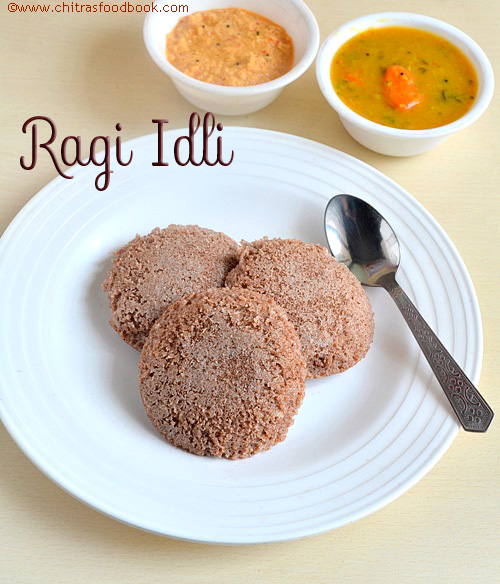
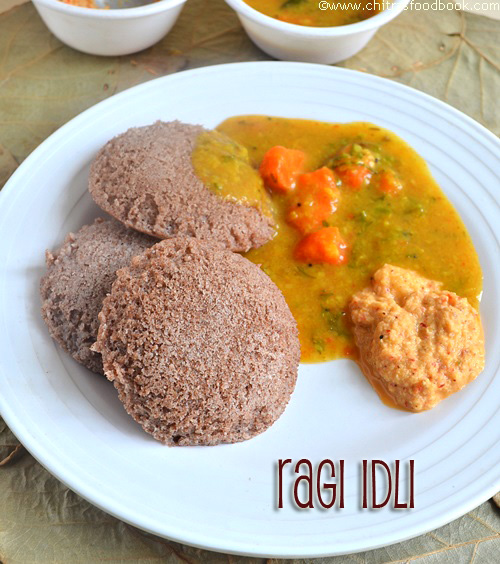
Ragi Idli

Maha Shivaratri Prasad Recipes-Tomorrow(17th feb) Thandai recipeSweet puttu recipe

March 31, 2014


RAGI IDLI,DOSA RECIPE- RAGI RECIPES

Print Friendly and PDF
Ragi-idli-recipe

(updated with stepwise pictures)
Hi friends,
Sorry for the sudden disappearance from blogging.As i had an unexpected trip to Tirunelveli,i couldn't post any.I missed all ur posts too:(.Even today i am in salem and leaving to bangalore on tuesday.I will be regular from Wednesday i guess.:).I'll update this post with stepwise pictures after going there..
Ragi idli,dosa recipe using fermentation method was in my try list for long time.When i came across this recipe in Kamala's corner,i bookmarked it and tried immediately.Actually i wanted to make ragi idli without rice but as i tried for the first time,i tried the recipe as it is.Ragi@Kezhvaragu(in Tamil) has lots of health benefits.I usually make Instant Ragi dosa.But this recipe is surely a welcome change as i can make soft idlis & crispy dosas as well.Its a healthy breakfast/Dinner recipe for diabetic & people who look for weight loss.Do try this soft idli recipe.U'll love it for sure.

Ragi-idli-recipe

Ragi idli,dosa recipe


Ragi idli,dosa recipeRagi idli,dosa recipe using fermentation method - Healthy south indian breakfast recipe 
Cuisine: Indian

Category: Breakfast

Serves: Serves 4

Prep time: 10 Minutes

Cook time: 20 Minutes

Total time: 30 Minutes


INGREDIENTS

  • Ragi flour - 2 cups
  • Idli rice - 1 cup
  • Urad dal - 1/2 cup
  • Methi seeds -2 tsp
  • Salt & water - as needed
METHOD

    • Wash and soak the rice,dal & methi seeds together for two hours.Add the required water and grind everything all together adding required salt & water.Lastly add the ragi flour ,grind for few minutes.Remove and ferment overnight or 10 hours.
    • The next day,batter would be doubled and sometimes overflown too.Stir well and make idlies.
    Ragi idli recipe step1
    • Steam in idli mould for 10-12 minutes till the inserted spoon comes out clean.
Ragi idli recipe step2
    • U can make dosas by diluting the batter slightly.Make crispy or soft dosas as per ur need.
    Enjoy with chutney ,sambar !

    Enjoy !


Note

  • For variations,u can use whole ragi grains instead of flour.
  • If u want to try without rice,use 3: 1 ratio of ragi flour and urad dal.Add 2 tbsp of poha for softness.
  • While making dosas,u can temper and saute onions,chillies,ginger & curry leaves as it makes the dosa flavourful ..

Enjoy with ur favourite chutney,sambar !
Ragi-idli-recipe
Technorati Tags: ragi idli recipe,ragi idli dosa recipe,Ragi recipes,South indian breakfast recipes,Ragi idli recipe using fermentation method

Very good recipes Tags: Ragi idli recipe, Ragi recipes,Breakfast, Indian breakfast recipes

Posted by OMStuti Savita Kitchen at 11:03 AM No comments:
Email ThisBlogThis!Share to XShare to FacebookShare to Pinterest

Hotel sambar for IDLI

AUTHOR: dassana
RECIPE TYPE: side
CUISINE: south indian
SERVES: 4-5
INGREDIENTS (measuring cup used, 1 cup = 250 ml)
for cooking the lentils:
  • ½ cup tuvar dal
  • ½ cup masoor dal
  • ¼ tsp turmeric powder
  • 2.5 to 3 cups for water for pressure cooking
for sambar and tempering:
  • 9 to 10 small brinjals, 100 gms
  • 1 medium carrot
  • 1 medium potato
  • 1 large onion or 4 to 5 shallots, 90 to 100 gms
  • 3 medium to large tomatoes, 220 to 230 gms
  • 1 tbsp tamarind soaked in ¼ to ½ cup warm water
  • 1.5 cups water added later or add as required
  • salt as required
  • tempering:
  • 2 tbsp oil
  • 4 to 5 curry leaves
  • ½ tsp asafoetida powder/hing - if you have a strong asafoetida, then add ¼ tsp
  • ½ tsp mustard seeds/rai or sarson
  • 1 tsp urad dal/husked and split black lentil
for the sambar masala:
  • 5 byadagi/bedgi chilies or 4 to 5 dry red chilies (reduce depending upon the heat in the chilies)
  • 11- 12 large curry leaves or 16-18 small curry leaves
  • 1.5 tbsp coriander seeds
  • 1 tbsp chana dal/split & husked bengal gram
  • 1 tsp cumin seeds
  • ½ tsp mustard seeds
  • ½ tsp whole black pepper
  • ¼ tsp fenugreek seeds
  • 2 tsp oil
INSTRUCTIONS
cooking the lentils:
  1. rinse both the lentils well and then add them to the pressure cooker with 2.5 to 3 cups water and ¼ tsp turmeric powder.
  2. pressure cook the lentils for 8 to 8 whistles or more, till they are soft and well cooked. mash the lentils and keep aside.
preparing the sambar masala:
  1. in a small frying pan, heat 2 tsp oil. first fry the mustard till they crackle. then add the coriander, fenugreek seeds, cumin seeds, black pepper, chana dal (bengal gram), curry leaves and dry red chilies. stir and saute till the spices become aromatic. keep aside to cool. don't burn the spices. saute the spices on a low flame.
  2. once the spices cool, grind them to a powder in a dry grinder or coffee grinder. keep aside.
preparing the sambar:
  1. soak the tamarind in warm water for 25 to 30 mins.
  2. later squeeze the tamarind pulp. strain and keep aside.
  3. chop all the vegetables. quarter the onions. peel and dice the carrots and potatoes.
  4. dice the brinjals and add them in water to prevent discoloration. chop the tomatoes in small pieces.
  5. in a pot, heat oil first. add the mustard and urad dal. let the mustard crackle and the urad dal turn into a maroonish color.
  6. add quartered onions or shallots, curry leaves and asafoetida. stir and and saute for 2 minutes.
  7. then add the veggies and saute for 4 to 5 minutes.
  8. add the tomatoes, salt and continue to saute for 6 to 7 minutes more.
  9. pour water. then add the strained tamarind pulp and stir well.
  10. simmer until the raw aroma of the tamarind goes away. about 8 to 9 minutes.
  11. if the vegetables are not cooked, then continue to simmer till they get cooked.
  12. now add the ground sambar masala which we have already prepared. stir.
  13. add the mashed lentils. stir and simmer sambar for about 6 to 7 minutes. add hot water if required depending on the consistency you want. the sambar which is served in the hotels is on the thinner side.
  14. check the taste and add more salt if required.
  15. garnish with coriander leaves and serve the tiffin sambar hot with idli, medu vada or dosa.
NOTES
you can add your choice of vegetables.
Posted by OMStuti Savita Kitchen at 10:56 AM No comments:
Email ThisBlogThis!Share to XShare to FacebookShare to Pinterest
Newer Posts Older Posts Home
Subscribe to: Comments (Atom)

About Me

My photo
OMStuti Savita Kitchen
View my complete profile

Blog Archive

  • ►  2020 (1)
    • ►  August (1)
  • ▼  2015 (71)
    • ►  November (2)
    • ►  October (6)
    • ►  September (8)
    • ►  August (1)
    • ►  July (3)
    • ►  June (4)
    • ►  May (14)
    • ►  April (8)
    • ▼  February (24)
      • http://www.stylecraze.com/articles/glowing-skin-se...
      • http://www.stylecraze.com/articles/homemade-face-p...
      • Adai
      • Very Good site cooking
      • Kelvaragu Dosai (Ragi Dosa)
      • Easy Veg Sandwitch
      • Pulses /Legumes
      • Chick peaks gojju
      • Mouth lickering Seembadnekayi gojju
      • Seemebadnkayi chutney
      • Radish (Daikin) Chutney
      • Coconut Chutney
      • http://foodandremedy.com/recipes/side-dishes/mysor...
      • Blore Plain dosa recipe
      • Southekayi(Cucumber) Hasi Majjige HuLi
      • Methi Roti
      • Kesar Gelebi with Rabdi
      • Avalakki Bisibele bath
      • Panchamrut Roti
      • Appam
      • Ragi Idli
      • Hotel sambar for IDLI
      • Idli quick sambar
      • Idli sambar
    • ►  January (1)
Ethereal theme. Powered by Blogger.